8 Early Signs & When to See a Cardiologist
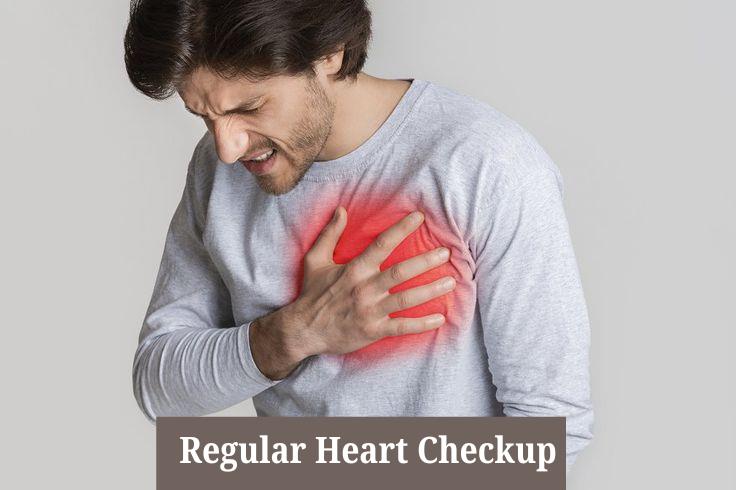
Your heart needs attention just like the rest of your body. Small signs can help you understand when something is wrong. If you ever feel unsure, getting guidance from the Best Cardiologist is always a safe step.
Many people ignore small health signs until they become serious. Your heart is one of the most important organs in your body, and even small issues can become big problems if not checked on time. That’s why doctors always say—listen to your body. Knowing when to get a heart check-up can save your life. Whether you have symptoms or not, understanding early signs and risk factors is important. If you ever feel confused about your heart health, getting advice from the Best Cardiologist In Raipur can give clarity and confidence.

Why Regular Heart Check-Ups Matter

Regular heart check-ups are not only for older people. Today, even young adults experience heart problems due to lifestyle, stress, and unhealthy habits. Many heart conditions do not show any early symptoms. This makes regular screening even more important.

Why regular check-ups are important:

  • Many heart diseases are silent at first
  • Early diagnosis helps prevent major heart attacks
  • It reduces the risk of sudden cardiac emergencies
  • Helps detect high BP, high cholesterol, or sugar levels early
  • Gives you a clear picture of your overall heart health
  • Lets you take the right treatment at the right time

Who should get regular check-ups:

  • People above 30
  • People with stressful jobs
  • People with diabetes, BP, or obesity
  • Smokers
  • People with a family history of heart disease
  • Anyone experiencing unusual symptoms

Early Warning Signs You Should Never Ignore

Your heart gives warning signs before a serious problem occurs. Understanding these signs helps you take quick action.
1.Persistent Chest Pain or Pressure
  • Pain, tightness, heaviness, or discomfort in the chest
  • Pain spreading to the arm, jaw, shoulder, or back
  • Feeling like something heavy is sitting on your chest
This is one of the most common warning signs of heart trouble.
2.Shortness of Breath
  • Feeling breathless during walking or climbing stairs
  • Difficulty breathing while lying down
  • Feeling like you cannot take a full breath
This may signal heart failure or valve problems.
3.Irregular Heartbeat or Palpitations
  • Heart beating too fast or too slow
  • Feeling skipped beats
  • Sudden racing heartbeat
This may point to arrhythmia.
4.Unusual Tiredness or Fatigue
  • Feeling tired all the time
  • Low energy even after rest
  • Difficulty doing normal work
Poor heart function reduces oxygen supply to the body, causing fatigue.
5.Swelling in Feet, Ankles, or Legs
  • Water retention in lower body
  • Tight shoes due to swelling
  • Swollen legs at night
This can be a sign of heart failure.
6. Dizziness or Frequent Fainting
  • Feeling light-headed
  • Sudden blackouts
  • Difficulty maintaining balance
This may indicate a serious heart rhythm issue.
7.Persistent Cough or Wheezing
  • Long-term cough without reason
  • Pinkish mucus
  • Wheezing sound while breathing
This may happen when fluid builds up in the lungs.
8.Sudden Sweating or Cold Sweats
  • Excessive sweating even without physical activity
  • Cold, clammy skin
  • Sweating along with chest discomfort
These are signs you should not ignore.

Risk Factors That Increase the Need for a Heart Check-Up

Certain habits and health conditions increase your chances of having heart problems. If you have any of these risk factors, you should get your heart checked regularly.
Some people are naturally at higher risk of heart disease. If you fall into any of these categories, regular check-ups become even more important.

Major risk factors:

  • Family history of heart disease
  • High blood pressure
  • High cholesterol levels
  • Diabetes
  • Smoking or tobacco use
  • Alcohol consumption
  • Being overweight or obese
  • Lack of exercise
  • Unhealthy eating habits
  • High stress lifestyle
  • Poor sleep habits
Lifestyle factors that increase risk:
  • Sitting for long hours
  • Eating too much junk food
  • Not drinking enough water
  • Ignoring early symptoms
  • Skipping regular health check-ups

Heart Tests You May Need During a Check-Up

A heart check-up does not mean a major procedure. Most tests are simple, painless, and give clear information about your heart’s condition.They help the doctor understand how well your heart is working and whether you need treatment.
1. ECG (Electrocardiogram)
  • Quick and simple test
  • Checks heart rhythm
  • Detects irregular heartbeat and past heart attacks
2. 2D Echo (Echocardiography)
  • Uses sound waves to show heart structure
  • Checks valve function
  • Shows how well your heart pumps blood
3. TMT (Stress Test)
  • You walk on a treadmill
  • Heart activity is monitored
  • Helps detect blockages or heart weakness
4. Holter Monitoring
  • 24–48 hour portable device
  • Records your heartbeat continuously
  • Helps diagnose irregular heartbeat episodes
5. Blood Tests for Heart Health
  • Cholesterol levels
  • Triglycerides
  • Blood sugar
  • Cardiac markers
6. Blood Pressure Monitoring
  • Checks for hypertension
  • Helps track heart strain
7. CT Angiography (if required)
  • Shows blockages in blood vessels
  • Recommended for high-risk individuals
When You Should Immediately See a Cardiologist
Some symptoms need quick medical attention because they may be signs of a serious heart problem. If these signs are ignored, the condition can become dangerous very quickly and may lead to heart attack, heart failure, or other major complications. Getting medical help at the right time can protect your heart and even save your life.”You should see a cardiologist immediately if you experience:
  • Sudden severe chest pain
  • Chest pain that lasts more than 5 minutes
  • Shortness of breath that worsens
  • Rapid heartbeat or repeated palpitations
  • Sudden swelling in legs or feet
  • Fainting or repeated dizziness
  • Extreme fatigue with no reason
  • High BP readings frequently
  • High cholesterol levels
  • Unexplained sweating
  • Pain radiating to the left arm, jaw, or back
Emergency symptoms that need urgent care:
  • Sharp chest pain and breathlessness
  • Cold sweat with nausea
  • Turning pale or feeling faint
  • Sudden confusion or weakness
Prevention Tips to Maintain a Healthy Heart
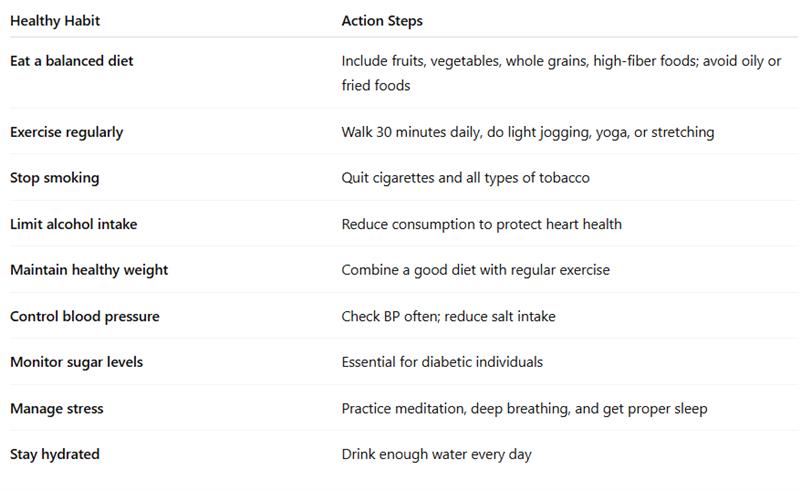
Healthy habits can keep your heart strong and help you avoid many serious health problems. Even small and consistent changes in your daily routine—like eating better, staying active, and reducing stress—can make a big difference over time and improve your overall heart health
Simple Lifestyle Changes to Keep Your Heart Healthy
  • Healthy Habits & What You Should Do
Best Foods for a Healthy Heart
Top Heart-Friendly Choices
  • Oats
  • Nuts (almonds, walnuts)
  • Leafy green vegetables
  • Berries
  • Olive oil
  • Fatty fish rich in omega-3 (salmon, mackerel)
Foods You Should Avoid
Limit or Avoid These Items
  • Packaged and processed snacks
  • Fast food
  • Too much salt
  • Sugary beverages
  • Red meat (avoid high quantity)

Conclusion

Taking care of your heart is not difficult if you understand your body’s signals and act at the right time. Heart disease can affect anyone, but early check-ups and simple lifestyle changes can protect you from major complications. Never ignore symptoms like chest pain, breathlessness, fatigue, or irregular heartbeat.
Regular heart tests, proper diet, exercise, and healthy habits can keep your heart strong for life. If you ever feel confused or notice any unusual sign, consulting the Best Cardiologist In Raipur will help you get the right guidance and treatment at the right time.

FAQ

1. When should I get my first heart check-up?
You should get your first heart check-up after the age of 30, or earlier if you have symptoms, diabetes, BP, or a family history of heart disease.

2. What is the most common early sign of a heart problem?
Chest pain, shortness of breath, and unusual tiredness are the most common early signs that your heart needs attention.

3. Are heart check-up tests painful?
No, most heart tests like ECG, 2D Echo, and blood tests are simple, quick, and painless.

4. Can young people also have heart problems?
Yes, due to stress, unhealthy diet, and lifestyle changes, even young adults can experience heart issues.

5. How often should I go for a heart check-up?
If you are healthy, once a year is enough. If you have BP, diabetes, or other risk factors, you may need check-ups more often as advised by your doctor.

Scroll to Top