
5 Signs You Should Visit a Gynecologist During Menopause
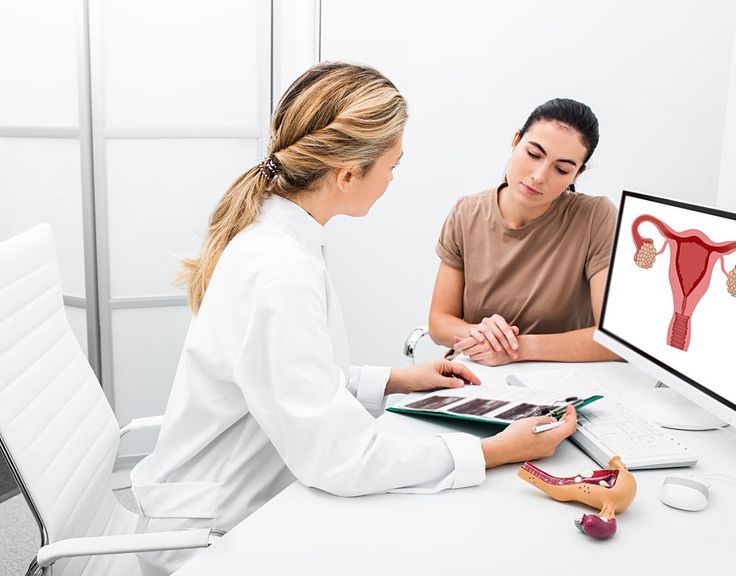
Menopause is a natural milestone in a woman’s life — but it often brings noticeable changes to the body and mind. Some of these changes are mild, while others can interfere with daily comfort and health. Getting proper guidance for Menopause treatment in Kharadi, Pune can make this phase smoother and more manageable.
Knowing when to visit a gynecologist helps you address symptoms early and prevent complications. Below are five common signs that indicate it might be time to book an appointment.
1. Irregular or Missed Periods
The earliest signal that menopause is approaching is a change in your menstrual pattern. Periods might:
- Arrive earlier or much later than usual
- Become heavier or lighter
- Stop for months and then return unexpectedly
These changes happen as hormone levels fluctuate. While this is normal in perimenopause, a sudden stop in menstruation before age 45 or excessively heavy bleeding may need evaluation.
A gynecologist can confirm if these irregularities are part of menopause or linked to another hormonal or uterine condition.
2. Frequent Hot Flashes or Night Sweats
Hot flashes are sudden feelings of heat that can spread across your chest, neck, and face. They may cause:
- Redness or flushed skin
- Increased heart rate
- Night sweats that interrupt sleep
Though common, intense or persistent hot flashes can disturb sleep and affect mood or focus. A doctor can help identify triggers like diet, stress, or hormonal imbalance and guide you on how to manage them effectively.
3. Mood Changes and Sleep Disturbance
Hormonal fluctuations during menopause can also impact mood and emotional well-being. You may experience:
- Sudden mood swings or low energy
- Difficulty falling asleep or staying asleep
- Feelings of sadness or anxiety
- Poor concentration
Speaking with the Best Gynecologist can help you understand whether these emotional changes are related to menopause or something else. Lifestyle support, relaxation techniques, and nutritional changes often help restore balance and calm.
4. Unexplained Weight Gain and Tiredness
Many women gain weight around the abdomen or feel low on energy during menopause. This is often due to a slower metabolism and changing hormones.
You might notice:
- Weight gain despite a stable diet
- Less stamina during exercise
- Slower recovery after physical activity
To manage this phase smoothly:
- Eat smaller, balanced meals rich in fiber and protein
- Stay active with daily walks, yoga, or cycling
- Maintain a consistent sleep routine
If tiredness continues despite these steps, your doctor can check for thyroid or other hormone-related conditions.
5. Dryness and Discomfort During Intimacy
Declining estrogen levels can reduce natural moisture and tissue elasticity, leading to discomfort or dryness in intimate areas. Common signs include:
- Mild irritation or itching
- Pain during physical closeness
- Recurrent infections or discomfort
These issues are very common and completely treatable. Gynecologists can recommend safe solutions that restore comfort and improve confidence. Ignoring them can lead to ongoing irritation and emotional stress.
Why Seeing the Best Gynecologist
Every woman experiences menopause differently. Visiting the Best Gynecologist ensures that you receive care suited to your body’s needs.
A doctor can:
- Assess hormone levels and bone strength
- Suggest lifestyle and nutritional adjustments
- Recommend safe treatment options if needed
Early intervention not only reduces discomfort but also supports long-term heart, bone, and mental health.
Practical Tips to Handle Menopause Naturally
Here are some easy ways to ease menopause symptoms and maintain overall wellness:
✅ Eat smart:
Include calcium-rich foods, lean proteins, and healthy fats like nuts, dairy, and fish.
✅ Exercise daily:
Regular activity supports metabolism, heart health, and emotional balance.
✅ Stay hydrated:
Drink plenty of water to prevent fatigue and improve digestion.
✅ Sleep well:
Go to bed at a regular time to support hormone balance.
✅ Manage stress:
Simple activities like meditation, stretching, or deep breathing can make a big difference.
✅ Limit caffeine and alcohol:
Reducing these helps with sleep and temperature control.
Conclusion
Menopause doesn’t have to be a difficult phase — it can be a time to focus on health, balance, and self-care. Understanding early signs and seeking the right guidance ensures a smoother transition.
Choosing expert care for Menopause treatment in Kharadi, Pune helps you manage symptoms confidently and maintain long-term wellness. With professional support and healthy habits, every woman can experience menopause with comfort, calmness, and renewed strength.
Frequently Asked Questions (FAQs)
1. At what age does menopause usually begin?
Menopause typically occurs between the ages of 45 and 55. However, genetics, lifestyle, and health conditions can cause it to happen earlier or later.
2. How long does menopause last?
Menopause itself marks the end of periods, but symptoms can last anywhere from 2 to 7 years, depending on your hormone balance and overall health.
3. What’s the difference between perimenopause and menopause?
Perimenopause is the transition stage when hormones start to fluctuate and periods become irregular. Menopause is when you haven’t had a period for 12 straight months.
4. Does menopause affect emotional health?
Yes, many women experience mood swings, anxiety, or low motivation due to hormonal shifts. Lifestyle changes and self-care often help manage these symptoms.
5. Can menopause cause joint or bone pain?
Yes. A drop in estrogen can reduce bone density, increasing the risk of stiffness or osteoporosis. Regular exercise and calcium-rich foods help keep bones strong.
6. Is it possible to get pregnant during perimenopause?
Yes, as ovulation can still occur irregularly. Birth control may be needed until menopause is confirmed by a doctor.
7. When should I seek professional help?
If symptoms like hot flashes, sleep problems, or mood swings affect daily life, it’s best to see a gynecologist for advice and safe management.