
5 Common Cosmetic Dentistry Procedures That Help Improve Your Smile
What Cosmetic Dentistry Really Means
1. Professional Teeth Whitening
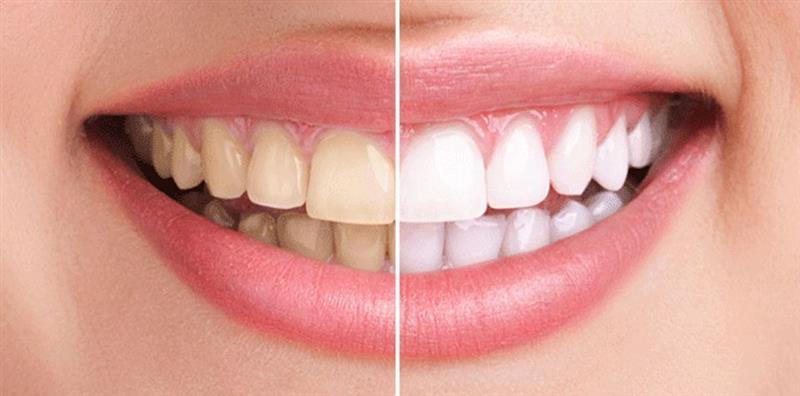
Teeth whitening focuses on reducing internal and external stains that develop over time. These stains may come from food, beverages, tobacco use, aging, or certain medications.
Even well-maintained teeth can lose brightness as enamel becomes thinner and dentin shows through. Surface cleaning alone often cannot restore original shade.
Professional whitening methods help lift deep stains evenly across the tooth surface without damaging enamel when performed responsibly.
- Individuals with dull or yellowed teeth
- People whose teeth appear healthy but lack brightness
- Those seeking subtle improvement without altering tooth shape
2. Dental Veneers for Surface and Shape Correction
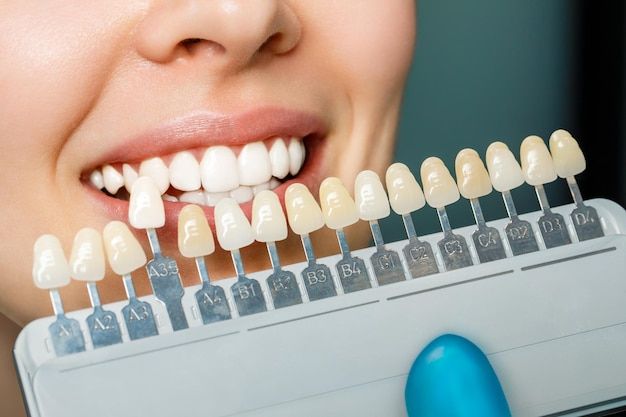
Veneers are thin shells placed over the front surface of teeth. They are custom-shaped to improve size, color, and surface texture.
Some tooth concerns cannot be corrected with whitening alone. Veneers help address issues such as uneven edges, mild gaps, or irregular shapes.
They allow controlled cosmetic correction while maintaining natural proportions and smile balance.
- Teeth with visible surface damage
- Uneven spacing affecting smile symmetry
- Teeth resistant to whitening
3. Cosmetic Dental Bonding
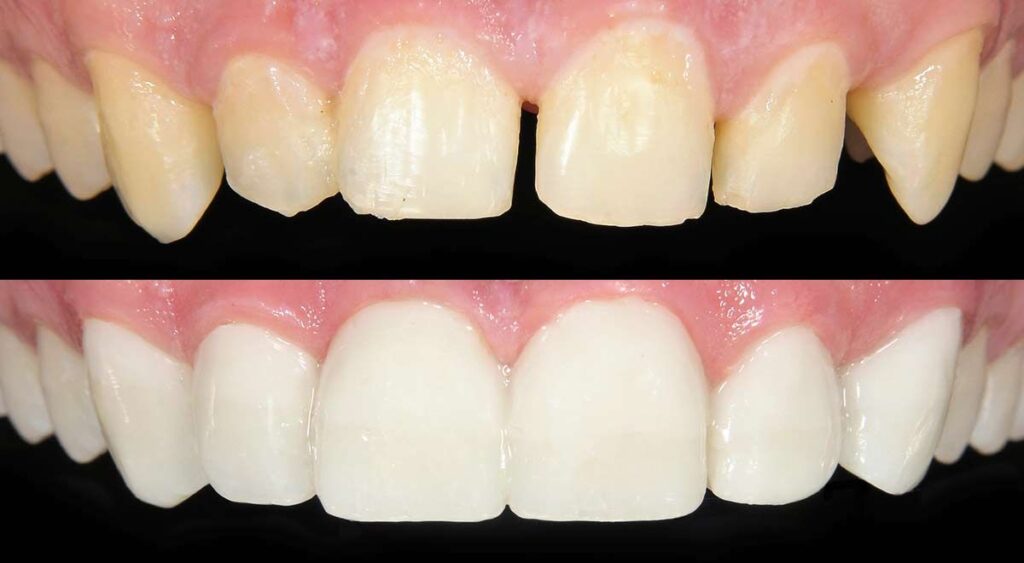
Bonding uses tooth-colored resin applied directly to the tooth. The material is shaped carefully and hardened to blend with surrounding teeth.
Unlike some cosmetic options, bonding requires minimal removal of natural tooth structure.
- Small chips or cracks
- Minor gaps between teeth
- Slight shape irregularities
4. Aesthetic Orthodontic Alignment
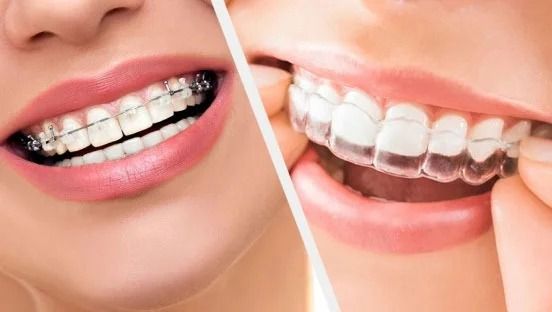
Modern orthodontic approaches often focus on visual alignment alongside bite comfort.
Crowded or uneven teeth can affect smile symmetry and make teeth appear smaller or misproportioned.
- Improve oral hygiene access
- Reduce uneven tooth wear
- Support jaw balance
5. Smile Planning and Design
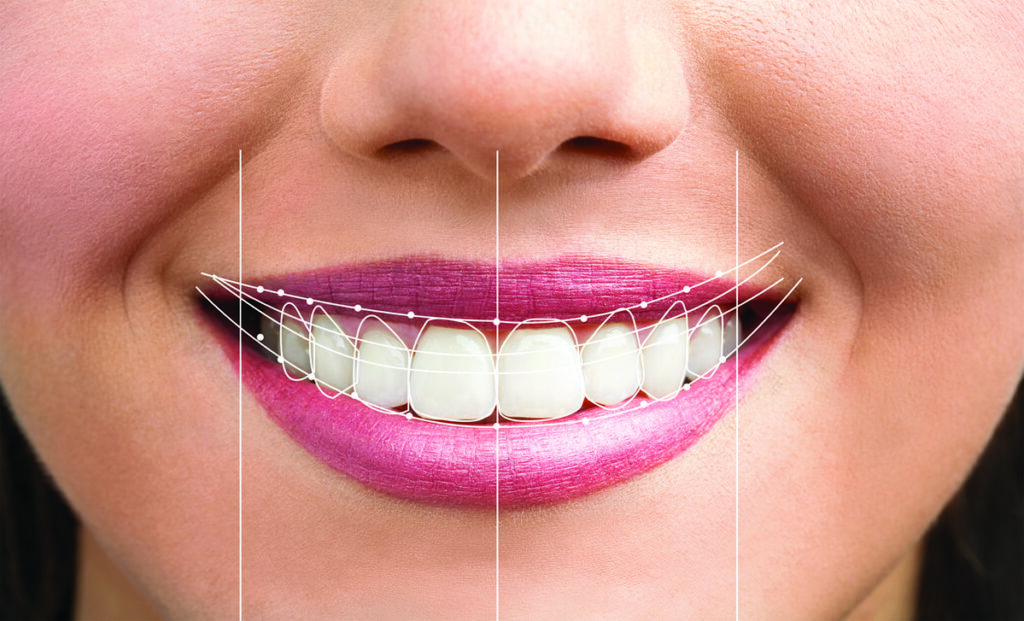
Smile planning evaluates facial proportions, lip movement, tooth size, and gum visibility before any cosmetic work is considered.
Every smile is different. What looks balanced on one face may not suit another.
Smile planning ensures cosmetic changes feel natural rather than artificial or exaggerated.
- Individuals considering multiple cosmetic improvements
- Those seeking long-term harmony rather than quick fixes
Why Cosmetic Dentistry Should Never Be Rushed
- Avoid unnecessary procedures
- Protect natural tooth structure
- Achieve predictable results
Long-Term Care After Cosmetic Procedures
- Consistent brushing and flossing
- Reducing stain-causing foods
- Using dentist-recommended care products
- Attending routine dental evaluations
Final Thoughts
Frequently Asked Questions (FAQs)
What problems can cosmetic dentistry address?
Are cosmetic dental treatments permanent?
Is cosmetic dentistry only for adults?
Do cosmetic procedures affect chewing or speech?
How do I know which cosmetic option is suitable?
About the Author: Dr. Archana Dixit and Dr. Santosh Dixit
Dr. Archana Dixit (B.D.S.)
Dr. Archana Dixit is an experienced Root Canal Dentist with over 20 years of expertise in general dentistry. She is known for her skill in painless and single-sitting root canal treatments. A co-founder of Dixit Dental Care, Pune, she plays a key role in managing clinical operations and delivering patient-focused dental care. She is a life member of the Indian Dental Association (IDA).
Dr. Santosh Dixit (M.D.S.)
Dr. Santosh Dixit is a highly qualified Prosthodontist and Implantologist with extensive training in advanced implantology and aesthetic dentistry. A gold medalist and recipient of multiple academic honors, he has received international training in implant rehabilitation and smile design. He is a life member of leading dental associations and actively contributes to the professional dental community.