
Laparoscopic Hysterectomy: Procedure, Benefits, Recovery
Gynecological problems such as heavy bleeding, chronic pelvic pain, or uterine disorders can significantly affect a woman’s quality of life. When non-surgical treatments fail to provide relief, laparoscopic hysterectomy is often recommended as a safe and advanced solution. Consulting an experienced Laparoscopic Hysterectomy surgeon in Aundh can help patients understand the procedure, its benefits, and the recovery process in detail before making an informed decision.
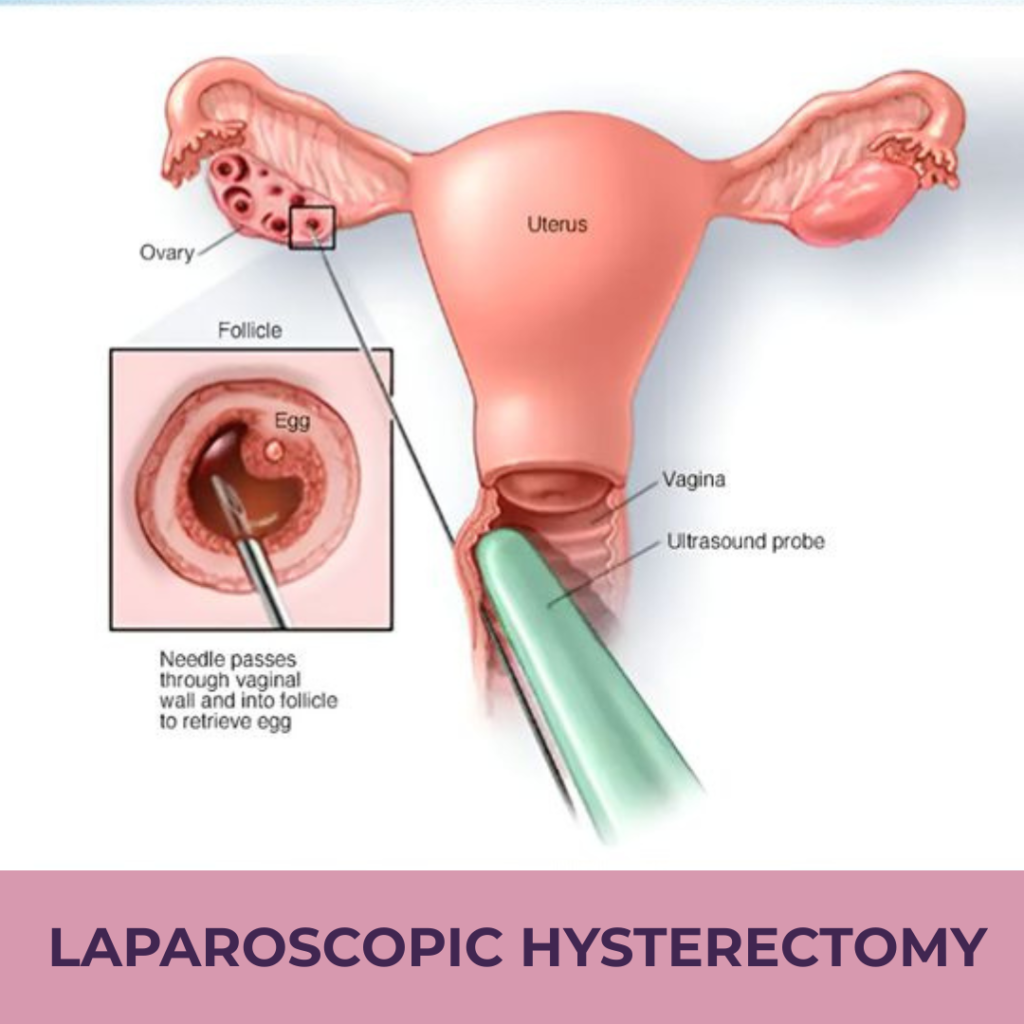
What Is Laparoscopic Hysterectomy?
Laparoscopic hysterectomy is a minimally invasive surgical procedure performed to remove the uterus using small incisions in the abdomen. A thin camera called a laparoscope allows the surgeon to view internal organs clearly and perform the surgery with precision.
Unlike traditional open hysterectomy, this method causes less pain, minimal scarring, and faster recovery. Depending on the medical condition, the uterus alone or along with the cervix, ovaries, and fallopian tubes may be removed.
Types of Laparoscopic Hysterectomy
Total Laparoscopic Hysterectomy (TLH)
In this procedure, both the uterus and cervix are removed completely using laparoscopic techniques. It is commonly performed for fibroids, abnormal bleeding, and adenomyosis.
Laparoscopic-Assisted Vaginal Hysterectomy (LAVH)
This method combines laparoscopy with vaginal surgery. The uterus is detached laparoscopically and removed through the vagina.
Laparoscopic Supracervical Hysterectomy
In this type, the uterus is removed while the cervix is preserved. It may be recommended in select cases depending on the patient’s condition and preference.
Why Is Laparoscopic Hysterectomy Performed?
Laparoscopic hysterectomy is advised when conservative treatments such as medications or hormonal therapy do not provide relief. Common conditions include:
- Uterine fibroids
- Adenomyosis
- Endometriosis (severe cases)
- Abnormal uterine bleeding
- Uterine prolapse
- Early-stage gynecological cancers
The decision is always made after careful evaluation of symptoms, age, medical history, and future reproductive plans.
Step-by-Step Laparoscopic Hysterectomy Procedure
Pre-Surgery Preparation
Before surgery, patients undergo routine blood tests, imaging studies, and a general health assessment. Doctors provide instructions regarding fasting, medications, and anesthesia.
During the Surgery
The procedure is performed under general anesthesia. Small incisions are made in the abdomen through which the laparoscope and surgical instruments are inserted. The uterus is carefully detached and removed using minimally invasive techniques. The surgery usually lasts between 1 to 3 hours.
After the Surgery
After surgery, patients are shifted to the recovery room for monitoring. Most patients can start walking within a few hours and are discharged within 1–2 days.
Benefits of Laparoscopic Hysterectomy
Laparoscopic hysterectomy offers several advantages over open surgery:
- Minimally invasive with smaller incisions
- Less postoperative pain
- Reduced blood loss
- Faster recovery and healing
- Shorter hospital stay
- Lower risk of infection
- Better cosmetic results
These benefits make it the preferred surgical option for many women.
Recovery After Laparoscopic Hysterectomy
Hospital Stay and Immediate Recovery
Most patients stay in the hospital for one to two days. Pain is managed with medications, and patients are encouraged to move early to prevent complications.
Recovery at Home
At home, patients are advised to take adequate rest, maintain proper hygiene, and follow dietary recommendations. Light activities can be resumed gradually.
When Can You Return to Normal Life?
Most women return to daily activities within 2–4 weeks. However, heavy lifting, strenuous exercise, and sexual intercourse should be avoided for a few weeks as advised by the doctor.
Precautions to Follow During Recovery
To ensure smooth healing:
- Avoid lifting heavy objects
- Follow medication instructions carefully
- Keep surgical wounds clean and dry
- Attend follow-up appointments
- Watch for warning signs like fever, severe pain, or abnormal discharge
Strictly following medical advice helps prevent complications.
Who Is an Ideal Candidate for Laparoscopic Hysterectomy?
Women who suffer from persistent gynecological symptoms that affect daily life and do not respond to medical treatment are ideal candidates. Factors such as age, overall health, uterus size, and medical history are carefully evaluated.
An experienced Gynecologist in Aundh plays a key role in determining whether laparoscopic hysterectomy is the most suitable option or if alternative treatments are available.
Are There Any Risks or Complications?
Laparoscopic hysterectomy is generally safe when performed by skilled surgeons. However, like any surgery, it carries minimal risks such as infection, bleeding, or injury to nearby organs. Choosing an experienced surgical team significantly reduces these risks.
Conclusion
Laparoscopic hysterectomy is a modern, effective, and patient-friendly surgical option for women facing chronic gynecological issues. With benefits such as faster recovery, less pain, and improved quality of life, it has become the preferred choice for many patients. If you are considering surgery or experiencing persistent symptoms, consulting an experienced Laparoscopic Hysterectomy surgeon in Aundh can help you receive the right diagnosis, expert guidance, and advanced care for long-term relief.
FAQ
Is laparoscopic hysterectomy safe?
Yes, it is a well-established and safe procedure when performed by trained specialists.
How long does the procedure take?
The surgery usually takes 1–3 hours depending on the condition.
Will periods stop after hysterectomy?
Yes, periods stop permanently after removal of the uterus.
Is the surgery painful?
Pain is minimal compared to open surgery and is well managed with medication.
Can ovaries be preserved?
Yes, ovaries can be preserved depending on age and medical condition.
Auther-Dr. Hitendrasing Patil
Dr. Hitendrasing Patil, Obstetrician and Gynecologist in Aundh, is dedicated to providing comprehensive, compassionate, and advanced healthcare for women at every stage of life. His expertise spans infertility management, maternity and high-risk pregnancy care, laparoscopic and hysteroscopic surgeries, gynecological infections, family planning services, and postmenopausal support, offering complete care under one roof.