
How Can I Keep My Heart Healthy?
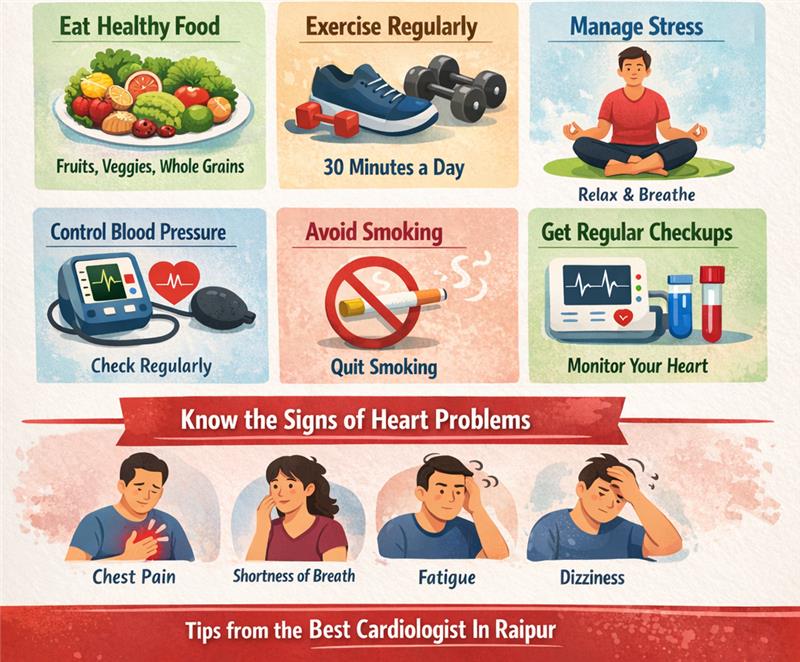
Your heart works non-stop from the day you are born. It pumps blood, carries oxygen, and supports every organ in your body. If the heart becomes weak, the whole body suffers. Many people today are becoming more aware of heart health and learning from trusted doctors such as the Best Cardiologist In Raipur, but true heart care starts with simple daily habits. The good news is that protecting your heart is not difficult if you follow the right steps consistently.
This detailed guide explains everything in simple and clear language so you can understand how to protect your heart naturally and effectively.
What Is a Healthy Heart?
A healthy heart:
- Beats at a regular rhythm
- Pumps blood efficiently
- Maintains stable blood pressure
- Delivers oxygen properly
- Supports energy levels
When your heart is healthy, you feel active, fresh, and strong throughout the day.
Quick Answer: How Can I Keep My Heart Healthy?
You can keep your heart healthy by:
- Eating fresh and balanced meals
- Exercising regularly
- Avoiding smoking
- Controlling blood pressure and sugar
- Managing stress
- Sleeping properly
- Going for routine health checkups
These small actions reduce the risk of heart disease and improve overall health.
1. Choose the Right Foods Every Day
Food has a direct effect on your heart. Healthy food keeps blood vessels clean and flexible.
Eat More of These:
- Green vegetables
- Seasonal fruits
- Whole grains like oats and brown rice
- Nuts and seeds
- Beans and lentils
These foods are rich in fiber, vitamins, and antioxidants that protect your heart.
Avoid or Limit:
- Fried snacks
- Processed foods
- Packaged junk food
- Sugary drinks
- Too much salt
High salt increases blood pressure. High sugar increases fat storage and diabetes risk, which can damage your heart.
Try to prepare meals at home to control oil, salt, and sugar.
2. Stay Physically Active
Your heart is a muscle. Like other muscles, it becomes stronger with exercise.
Simple Activities for Heart Health:
- Brisk walking
- Cycling
- Light jogging
- Swimming
- Yoga and stretching
You do not need expensive gym equipment. Even 30 minutes of walking daily is very helpful.
Physical activity improves blood flow and reduces cholesterol buildup.
3. Maintain a Healthy Body Weight
Extra body weight puts more pressure on your heart. Obesity increases the risk of:
- High blood pressure
- High cholesterol
- Diabetes
- Heart attack
Losing even a small amount of weight can improve heart health significantly.
Focus on healthy eating and regular activity instead of extreme dieting.
4. Control Blood Pressure
High blood pressure often shows no warning signs. Many people do not know they have it.
Over time, high pressure damages arteries and increases the risk of heart attack and stroke.
To Manage Blood Pressure:
- Reduce salt intake
- Exercise daily
- Avoid stress
- Check levels regularly
Monitoring blood pressure at home can help in early detection.
5. Keep Cholesterol in Balance
Cholesterol is needed in small amounts, but too much is harmful.
There are two types:
- LDL (bad cholesterol)
- HDL (good cholesterol)
High LDL can block arteries. HDL helps remove bad cholesterol from the blood.
To improve cholesterol:
- Eat fiber-rich foods
- Avoid trans fats
- Stay active
- Maintain healthy weight
Regular blood tests help track your levels.
6. Say No to Smoking
Smoking narrows blood vessels and reduces oxygen in the blood. It increases heart disease risk quickly.
Even passive smoke exposure can harm the heart.
Quitting smoking improves heart function within weeks.
7. Drink Alcohol Carefully
Too much alcohol weakens the heart muscle and increases blood pressure.
If you drink, keep it moderate. Avoid daily heavy consumption.
8. Manage Stress Properly
Long-term stress increases heart rate and blood pressure.
Stress hormones can damage arteries if they remain high for long periods.
Healthy Ways to Reduce Stress:
- Deep breathing exercises
- Meditation
- Light yoga
- Spending time with family
- Listening to calm music
Even small relaxation breaks during the day help your heart.
9. Get Quality Sleep
Lack of sleep affects heart health. Poor sleep increases the risk of obesity, high blood pressure, and diabetes.
Adults should sleep 7–8 hours each night.
Improve Sleep by:
- Avoiding screens before bed
- Keeping the bedroom dark
- Sleeping at the same time daily
- Avoiding heavy meals at night
Good sleep allows the heart to recover.
10. Stay Hydrated
Water keeps blood flowing smoothly. Dehydration makes the heart work harder.
Drink enough water daily, especially during hot weather or exercise.
11. Recognize Early Warning Signs
Early symptoms should never be ignored.
Common signs include:
- Chest discomfort
- Shortness of breath
- Unusual tiredness
- Swelling in legs
- Dizziness
Immediate medical care can prevent serious damage.
12. Get Regular Health Checkups
Even if you feel fine, regular tests are important.
Important heart-related tests include:
- Blood pressure check
- Blood sugar test
- Cholesterol test
- ECG
- Heart imaging when required
Early diagnosis makes treatment easier and safer.
Heart Care at Different Ages
Young Adults
Build healthy habits early. Avoid junk food and inactivity.
Middle Age
Monitor cholesterol and blood pressure regularly.
Older Adults
Stay active and follow medical advice strictly.
Heart health matters at every stage of life.
Common Myths About Heart Health
Myth 1: Only older people get heart disease
Fact: Young adults can also be affected.
Myth 2: If I am slim, my heart is safe
Fact: Cholesterol and stress can affect anyone.
Myth 3: Exercise alone is enough
Fact: Diet, sleep, and stress management are equally important.
Simple Daily Routine for a Healthy Heart
Morning:
- Drink water
- Light stretching or walking
Afternoon:
- Eat balanced meals
- Avoid heavy oily food
Evening:
- Take a short walk
- Relax and reduce stress
Night:
- Eat light dinner
- Sleep on time
Consistency is the key to long-term heart protection.
Final Conclusion
A healthy heart is the foundation of a healthy life. Protecting your heart does not require complicated treatments. Small changes like eating fresh food, exercising regularly, managing stress, and sleeping well can make a big difference.
Listening to your body and seeking guidance from experienced heart specialists such as the Best Cardiologist In Raipur can help you make informed decisions about your heart care.
Start today. Your heart supports you every second — now it is your turn to support your heart.