
Understanding Peripheral Artery Disease (PAD) and How to Prevent It
Peripheral Artery Disease (PAD) is a common but often underdiagnosed condition affecting millions worldwide. It occurs when arteries supplying blood to your legs become narrowed due to plaque buildup, reducing circulation. This can lead to symptoms like leg pain, numbness, or slow-healing wounds, and if untreated, PAD may increase the risk of serious cardiovascular problems.
With timely diagnosis, lifestyle changes, and medical interventions, PAD can be effectively managed. Patients in Pune can consult a vein and vascular surgeon in Pune for evaluation and treatmen
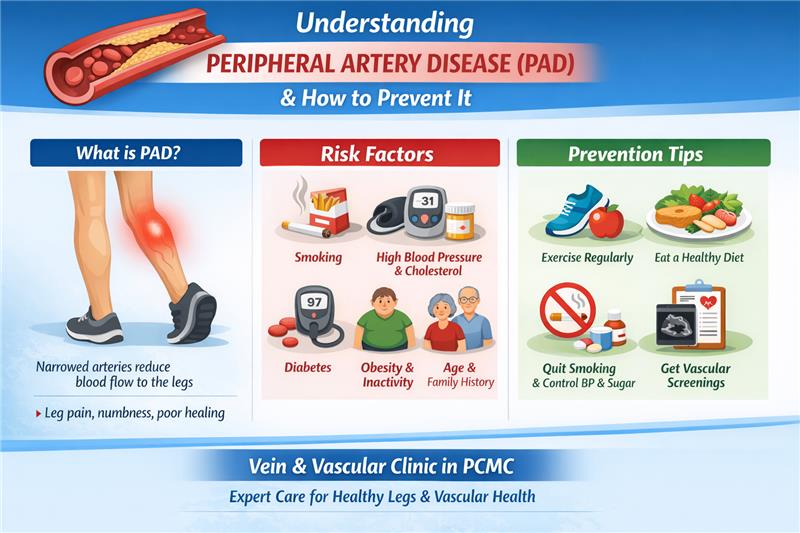
What is Peripheral Artery Disease (PAD)?
PAD is a type of atherosclerosis, where fatty deposits (plaque) build up inside arteries. While atherosclerosis is commonly associated with heart attacks, it can also affect arteries in the legs, arms, and other peripheral areas.
Narrowed arteries reduce blood supply to your legs and feet, causing:
- Leg pain while walking (claudication)
- Numbness or weakness in the legs
- Cold lower legs or feet
- Slow-healing sores or wounds
- Skin color changes or hair loss on the legs
Who is at Risk of PAD?
Certain factors increase the risk of developing PAD:
- Smoking: Damages blood vessels and accelerates plaque buildup
- High blood pressure and cholesterol: Promote blockages in arteries
- Diabetes: High blood sugar can harm circulation
- Obesity and inactivity: Contribute to poor blood flow
- Age and family history: People over 50 or with a family history of vascular disease are at higher risk
Understanding your risk factors helps in early detection and prevention.
Symptoms of Peripheral Artery Disease
PAD often develops slowly. Common signs include:
- Pain, cramping, or heaviness in legs during walking or exercise
- Numbness, weakness, or tingling in legs or feet
- Coldness or paleness in the lower legs
- Slow-healing sores or ulcers on feet
- Hair loss or slow nail growth on the legs
- Reduced leg muscle mass
If you notice these symptoms, it’s important to consult a specialist for proper evaluation.
How is PAD Diagnosed?
Diagnosis combines physical examination and imaging tests:
- Ankle-Brachial Index (ABI): Compares blood pressure in the ankle and arm
- Ultrasound (Doppler): Shows blood flow in arteries
- Angiography: Highlights narrowed or blocked arteries using dye and X-rays
- Blood tests: Check cholesterol, blood sugar, and other risk factors
Early diagnosis prevents complications like critical limb ischemia and heart problems.
Prevention and Lifestyle Changes
Preventing PAD or slowing its progression relies on lifestyle and risk management:
- Exercise regularly: Walking, cycling, and light cardio improve circulation
- Eat a healthy diet: Include fruits, vegetables, whole grains, and lean proteins; avoid processed foods and saturated fats
- Quit smoking: One of the most effective ways to prevent progression
- Control blood pressure and diabetes: Monitor regularly and follow medication plans
- Maintain healthy weight: Reduces strain on arteries and improves circulation
Regular check-ups at a vein and vascular clinic in Pune help detect issues before they worsen.
Treatment Options for PAD
Treatment depends on severity and overall health:
- Lifestyle modifications: Exercise, diet, and quitting smoking
- Medications: Cholesterol-lowering drugs, blood thinners, or medications to improve blood flow
- Minimally invasive procedures: Angioplasty or stenting to open narrowed arteries
- Surgery: Bypass surgery may be necessary in severe cases
Consulting the best vein and vascular surgeon in Pune ensures treatment is personalized to your condition.
FAQ About Peripheral Artery Disease
1. Can PAD cause heart attacks or strokes?
Yes. PAD is a form of atherosclerosis and can increase the risk of heart attacks and strokes.
2. How can I know if I have PAD?
Symptoms like leg pain while walking, numbness, cold legs, or slow-healing wounds indicate the need for diagnostic testing by a vascular specialist.
3. Is PAD reversible?
Early detection and lifestyle changes can slow PAD progression and reduce symptoms, though complete reversal may not always be possible.
4. How often should I get a vascular check-up?
Those with risk factors should have yearly screenings, while patients with PAD may need more frequent evaluations.
5. Are there exercises for PAD?
Walking is most effective. Supervised walking programs can improve circulation and reduce leg pain. Avoid prolonged inactivity.
6. What foods help prevent PAD?
A heart-healthy diet with fruits, vegetables, whole grains, lean proteins, and healthy fats supports vascular health. Limit processed foods, fried items, and sugar.
When to See a Vein and Vascular Specialist
Persistent leg pain, numbness, or slow-healing wounds require attention. Early evaluation by a vein and vascular surgeon in Pune ensures accurate diagnosis, timely treatment, and long-term vascular health.
Conclusion
Peripheral Artery Disease is serious, but awareness, lifestyle changes, and expert care can manage it effectively. Exercise, a balanced diet, quitting smoking, and regular vascular screenings are key. If you notice symptoms, consult a trusted vein and vascular clinic in Pune or a qualified surgeon to protect your legs and overall health.
About the Author
Dr. Naman Bagdi is an experienced Interventional Radiologist and Vascular Specialist, currently serving as the Director of a leading Vein and Vascular Clinic in Pune. He is trained in Interventional Radiology from the prestigious KEM Hospital, Mumbai.
Dr. Bagdi specializes in the diagnosis and minimally invasive treatment of blood vessel disorders, including varicose veins and arterial blockages. With a patient-focused approach and advanced vascular techniques, he is committed to providing safe, effective, and evidence-based care for long-term vascular health.