
What Is Considered a High Risk Pregnancy? Causes, Symptoms & Care
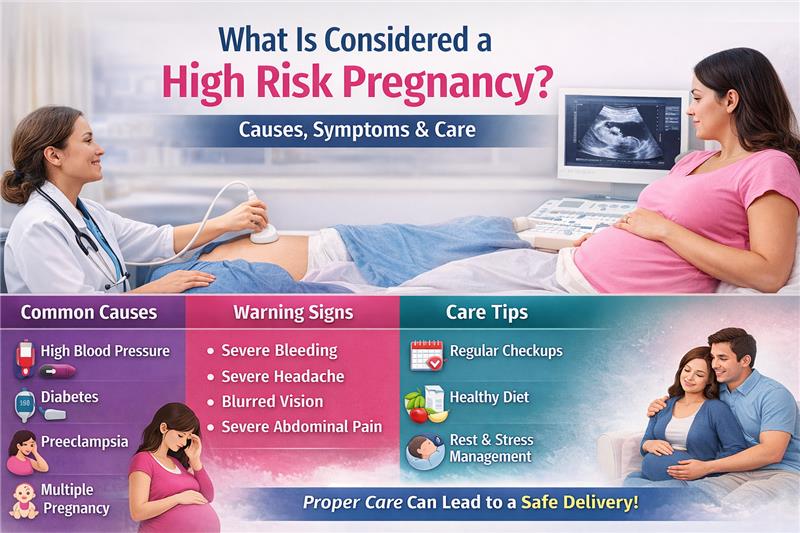
What Is Considered a High Risk Pregnancy?
Who Is More Likely to Have a High Risk Pregnancy?
1. Age-Related Risk
- Teen pregnancy (under 18 years)
- Pregnancy after 35 years
2. Pre-Existing Medical Conditions
- High blood pressure
- Diabetes
- Thyroid disorders
- Heart disease
- Kidney problems
- Autoimmune diseases
3. Previous Pregnancy Complications
- Previous miscarriage
- Preterm birth
- Stillbirth
- Previous C-section
- History of preeclampsia
4. Multiple Pregnancy
Common Causes of High Risk Pregnancy
2. High Blood Pressure
High blood pressure during pregnancy can reduce blood flow to the placenta and affect the baby’s development.
3. Preeclampsia
This is a serious condition that includes high blood pressure and damage to organs like the liver or kidneys. It usually happens after 20 weeks of pregnancy.
4. Placenta Problems
If the placenta is covering the cervix (placenta previa) or separates early from the uterus, it can cause bleeding and other complications.
5. Infections
Certain infections during pregnancy can affect the baby’s health. 6. Lifestyle Factors
- Smoking
- Alcohol use
- Poor nutrition
- Drug use
- Extreme stress
Symptoms of High Risk Pregnancy
- Severe abdominal pain
- Heavy vaginal bleeding
- Severe headache
- Blurred vision
- Sudden swelling of face or hands
- Reduced baby movements
- High fever
- Severe vomiting
How Do Doctors Diagnose High Risk Pregnancy?
1. Medical History Review
The doctor will ask about past pregnancies, medical conditions, and family history.
2. Physical Examination
Regular blood pressure checks and weight monitoring are important.
3. Blood Tests
Blood tests help check sugar levels, infections, and other health markers.
4. Ultrasound
Ultrasound scans help monitor the baby’s growth and position.
5. Fetal Monitoring
This checks the baby’s heartbeat and overall well-being.
Early diagnosis allows doctors to create a safe care plan.
Possible Complications of High Risk Pregnancy
- Preterm birth
- Low birth weight
- Birth defects
- Preeclampsia
- Placental abruption
- Delivery complications
How to Manage a High Risk Pregnancy
1. Regular Prenatal Visits
Frequent checkups help monitor both mother and baby.
2. Healthy Diet
A balanced diet should include:
- Iron-rich foods
- Calcium
- Protein
- Fresh fruits and vegetables
Proper nutrition supports baby growth.
3. Take Prescribed Medicines
If medicines are given for blood pressure, diabetes, or other conditions, they must be taken as directed.
4. Monitor Baby Movements
Counting baby kicks can help notice changes early.
5. Proper Rest
Adequate sleep and avoiding heavy physical work are important.
6. Manage Stress
Relaxation techniques such as deep breathing and light stretching can help reduce stress.
Emotional Impact of High Risk Pregnancy
Can High Risk Pregnancy Have Normal Delivery?
How to Reduce the Risk Before Pregnancy
- Health checkup before conception
- Managing existing medical conditions
- Maintaining healthy weight
- Taking folic acid supplements
- Avoiding smoking and alcohol
Key Takeaways
- High risk pregnancy means extra monitoring is needed.
- Early diagnosis helps prevent complications.
- Regular checkups are very important.
- Healthy lifestyle choices can reduce risks.
- Emotional support is essential.
Conclusion
Understanding what is considered a high risk pregnancy helps women stay alert and prepared. While certain medical conditions or age factors may increase risks, modern healthcare and careful monitoring greatly improve outcomes. With proper guidance, regular tests, healthy habits, and support from experienced professionals such as the Best Gynecologist In Raipur, many women with high risk pregnancy successfully welcome healthy babies into the world.