
What Is Endovascular Surgery and How Does It Work?
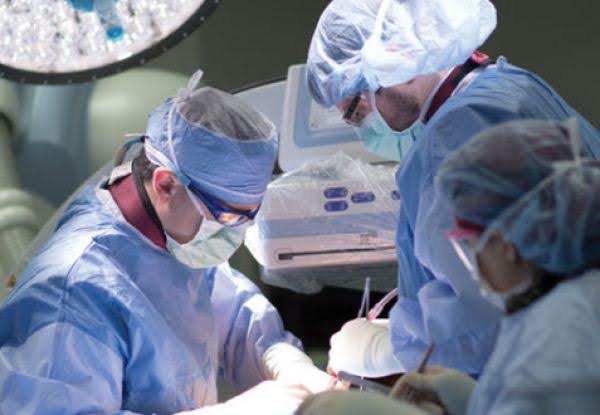
Endovascular surgery is a modern medical method used to treat diseases related to blood vessels. Many people are referred to an Endovascular Surgeon in Pune when they face problems like blocked arteries, weak blood vessels, or poor blood circulation. This type of surgery is done from inside the blood vessels using advanced tools, without making large cuts on the body.
Understanding Endovascular Surgery in Simple Words
Endovascular surgery means treating blood vessels from the inside. The doctor does not open the body like in traditional surgery. Instead, thin tubes called catheters are used. These tubes move through the blood vessels to reach the affected area.
This approach helps reduce pain, lowers recovery time, and causes less damage to surrounding tissues. Because of these benefits, endovascular surgery has become an important part of modern vascular care.
How Endovascular Surgery Is Performed
The procedure usually starts with a small needle entry, often in the arm or leg. Through this entry point, a catheter is gently guided into the blood vessel. Special imaging machines allow the doctor to see the blood vessels clearly on a screen.
The catheter is slowly moved to the exact location where treatment is needed. Once it reaches the problem area, the doctor performs the required procedure. After completion, the catheter is removed, and the small opening is closed with minimal care.
Common Conditions Treated Using Endovascular Methods
Endovascular surgery is used to treat many vascular conditions. Some of the most common include:
- Narrowed or blocked arteries
- Weak or bulging blood vessels
- Blood clots inside veins or arteries
- Poor blood flow to the legs
- Certain vein-related circulation problems
If left untreated, these conditions may lead to pain, swelling, slow wound healing, or serious health risks.
Types of Endovascular Procedures
There are several procedures that fall under endovascular surgery. The choice depends on the patient’s condition and medical needs. Common procedures include:
- Angioplasty: A small balloon is used to open narrowed blood vessels
- Stenting: A small tube is placed to keep arteries open
- Clot removal techniques: Used to clear blocked blood flow
- Embolization: Blocks abnormal blood vessels when needed
- Aneurysm repair: Strengthens weak areas of blood vessels
Each procedure is planned carefully to ensure safety and effectiveness.
Why Endovascular Surgery Is Considered Safe
Endovascular surgery is known for its safety and accuracy. Since it uses small entry points instead of large cuts, the risk of infection is lower. Blood loss is minimal, and recovery is usually faster.
Most procedures are done under local anesthesia, which means the patient remains awake but comfortable. This also reduces stress on the body, especially for older individuals or those with other medical conditions.
Recovery After Endovascular Surgery
Recovery time after endovascular surgery is generally short. Many patients are able to walk within a few hours after the procedure. In many cases, hospital stay is limited to one day or even less.
Patients are usually advised to rest for a short period and follow basic instructions such as taking medicines regularly and attending follow-up visits. Normal daily activities can often be resumed quickly compared to open surgery.
Who May Benefit From Endovascular Surgery?
Endovascular surgery may be advised for people who experience symptoms like:
- Pain or heaviness in legs while walking
- Cold or numb limbs
- Slow-healing wounds
- Swollen veins
- Sudden circulation problems
Early diagnosis and treatment can help prevent serious complications and improve quality of life.
Importance of Early Detection
Detecting vascular problems early makes treatment easier and more effective. Endovascular surgery allows doctors to manage conditions before they become severe. Regular checkups and timely medical advice play a key role in maintaining healthy blood circulation.
With modern imaging and techniques, vascular problems can now be identified and treated more accurately than before.
How Endovascular Surgery Is Changing Healthcare
Endovascular surgery has transformed the way blood vessel diseases are treated. It offers a balance between safety and effectiveness while reducing physical stress on patients. This approach has made complex vascular treatments more accessible and manageable.
As medical technology continues to improve, endovascular methods are becoming even more precise, helping patients recover faster and live healthier lives.
Conclusion
Endovascular surgery is a reliable and advanced option for treating blood vessel conditions using minimally invasive techniques. It focuses on internal treatment, quicker recovery, and reduced discomfort. Understanding how it works helps patients make informed health decisions and recognize the importance of consulting an experienced Endovascular Surgeon in Pune.
Frequently Asked Questions (FAQs)
1. Is endovascular surgery painful?
Endovascular surgery usually causes very little pain because it uses small entry points instead of large cuts. Most patients feel only mild discomfort, which improves quickly after the procedure.
2. How long does an endovascular procedure take?
The duration depends on the condition being treated. Many procedures take between one to three hours, including preparation and recovery time.
3. How soon can normal activities be resumed after endovascular surgery?
Many patients can return to light daily activities within a few days. Full recovery is often much faster compared to traditional open surgery.
4. Are endovascular treatments suitable for elderly patients?
Yes, this type of treatment is often suitable for older individuals because it is minimally invasive and places less stress on the body.
5. Are the results of endovascular surgery long-lasting?
In many cases, the results are long-term. However, regular follow-ups, healthy lifestyle habits, and proper medical care are important to maintain good outcomes.